FAST DRYING
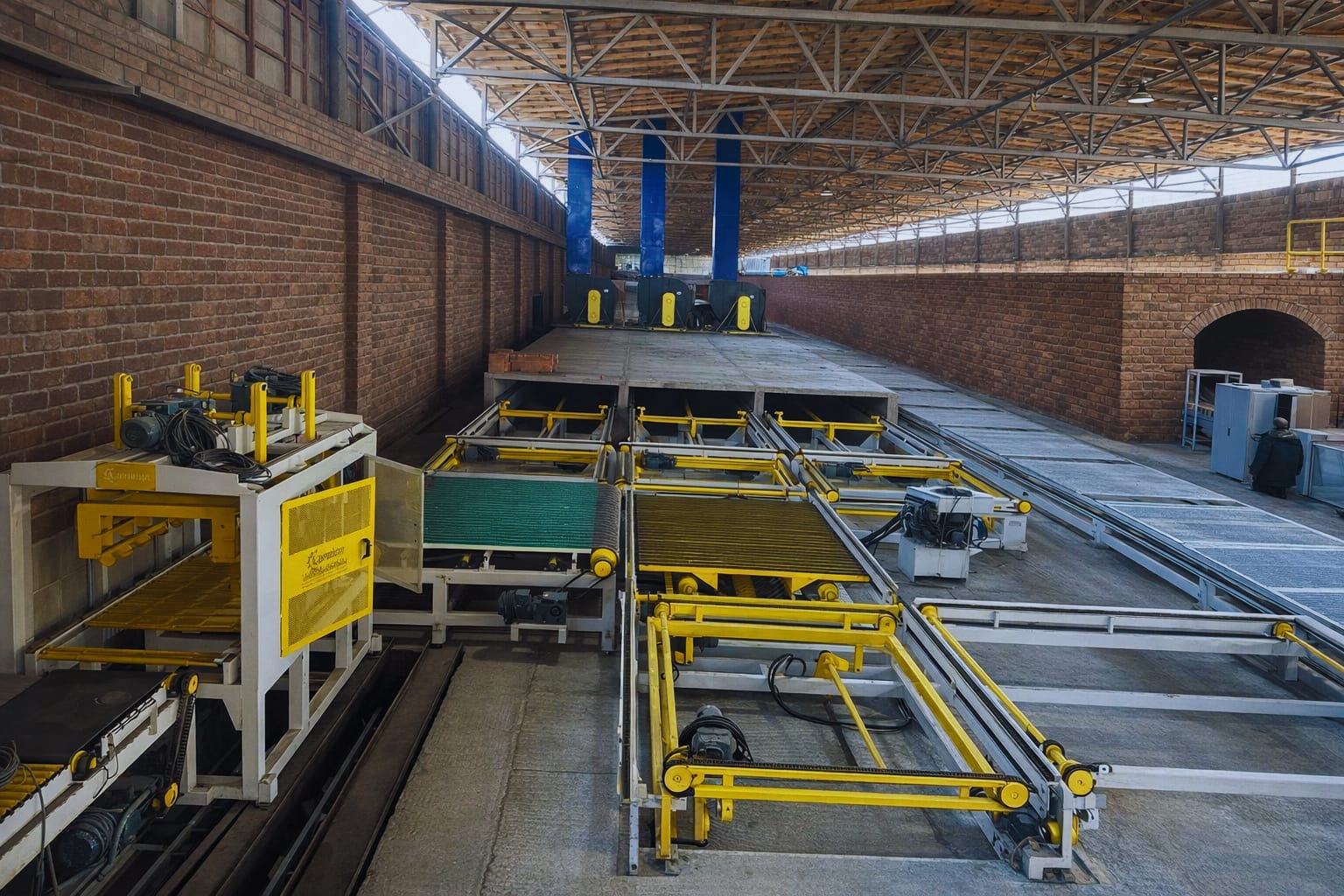
RACK DRYING SYSTEM
"Maximize your production efficiency with a drying process completed in just 3 – 4 hours across daily capacities of 150 – 1000 tons/day. Karadayı Fast Dryer sets a new benchmark in industrial drying solutions with proven global reliability and advanced engineering approach."
WORKING PRINCIPLE
Air ducts inside the drying chamber are engineered using CFD (Computational Fluid Dynamics) simulations to provide optimal air distribution. Hot air is directed homogeneously across all product surfaces with high flow volume and controlled velocity.
The operational principle relies on translating thermodynamics and fluid dynamics to an industrial scale. The heated air absorbs moisture from brick surfaces and is exhausted through dedicated extraction ducts with controlled humidity expulsion.
Factors Determining Product Quality
The success of the drying process depends significantly on keeping air velocity, temperature, and relative humidity precisely balanced at every stage. The Karadayı system monitors these parameters in real time and automatically regulates them.
Homogeneous Heat Distribution
Optimized air channels ensure all product surfaces are exposed to uniform heat, preventing uneven drying gradients.
Surface Crack Prevention
Gradual temperature rise and controlled moisture extraction prevent stress buildup and eliminate surface crack formation.
Internal Stress Minimization
Moisture differentials between core and exterior are reduced under tight control, avoiding internal shear stresses.
Zero Deformation
Supported rack conveyance and balanced airflow dynamics ensure geometric stability throughout rapid drying cycles.
DRYING CAPACITIES
* Varies depending on raw material characteristics
** Product inlet moisture: 18% - 22%. Product outlet moisture: 2% - 3%
*** Capacity is given based on continuous 24-hour operation
 NUMBER OF CHANNELS | * ** *** DAILY CAPACITY (t/day) | DRYING LENGTH (m) | CHANNEL WIDTH (mm) |
|---|---|---|---|
3 CHANNELS2 TIERS | 150 | 100 | 2400 |
4 CHANNELS2 TIERS 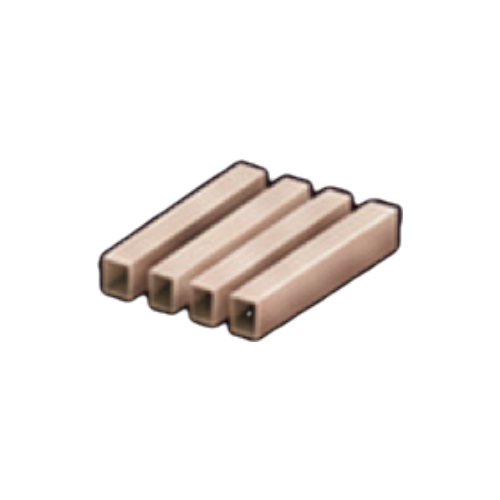 | 200 | 100 | 2400 |
3 CHANNELS2 TIERS | 300 | 125 | 3600 |
4 CHANNELS2 TIERS | 400 | 125 | 3600 |
NUMBER OF CHANNELS | * ** *** DAILY CAPACITY (t/day) | DRYING LENGTH (m) | CHANNEL WIDTH (mm) |
|---|---|---|---|
3 CHANNELS | 240 | 100 | 2400 |
4 CHANNELS | 320 | 100 | 2400 |
3 CHANNELS | 420 | 125 | 3600 |
4 CHANNELS | 500 | 125 | 3600 |
3 CHANNELS | 480 | 150 | 4000 |
4 CHANNELS | 620 | 150 | 4000 |
4 CHANNELS | 750 | 150 | 5000 |
4 CHANNELS | 1000 | 180 | 6000 |
Factors Affecting Brick Drying Time
Perforation Ratio
The larger the perforated surface area of the product, the greater the convective contact with air and the faster moisture evacuation occurs.
Product Type
Pore structure and thermal conductivity of different heavy clay formulations directly determine overall drying duration.
Initial Moisture
Moisture content of green bodies prior to chamber loading is the single most critical factor dictating total drying curve duration.
Raw Material Characteristics
Clay grain distribution and water retention index directly dictate optimal drying speed and temperature thresholds.
Extrusion Pressure
Higher vacuum extrusion pressure results in denser green bodies with lower initial moisture, speeding up evaporation.
Wall Thickness & Perforation
Body wall thickness and core geometry define the diffusion distance moisture must travel to reach outer surfaces.
Product Analysis
| N° | CLASSIFICATION | DIMENSIONS (mm) | FIRED WEIGHT (kg) | PRODUCT IMAGE | ||
|---|---|---|---|---|---|---|
| Cut | Width | Height | ||||
| FIRST CATEGORY | mm | |||||
| 1 | LOAD-BEARING WALLS | 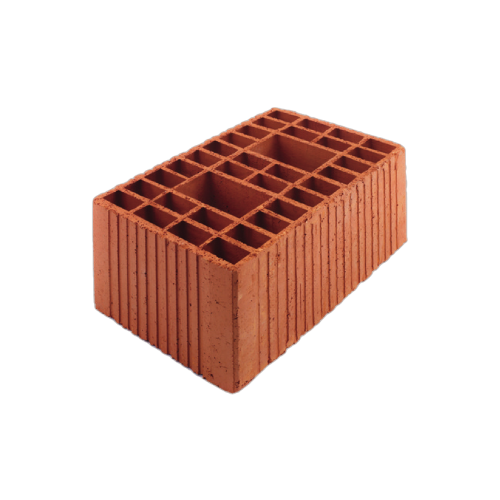 | ||||
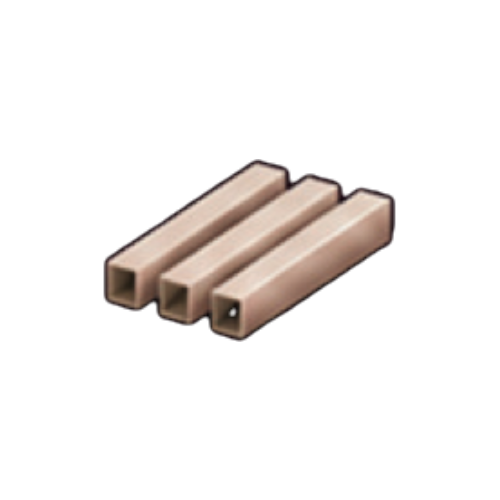
| Hollow Block | 190 | 290 | 135 | 4,7 | ||
| SECOND CATEGORY | mm | |||||
| 2 | PARTITION & BEARING WALLS | 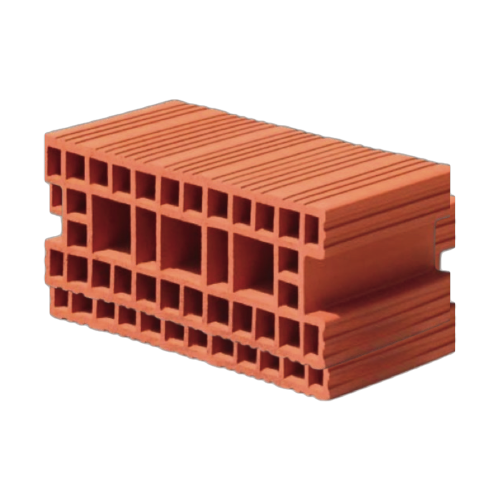 | ||||
| Bearing Block | 240 | 240 | 235 | 11 | ||
| 240 | 250 | 235 | 11,2 | |||
| 240 | 300 | 235 | 12,5 | |||
| THIRD CATEGORY | mm | |||||
| 3 | PARTITION WALLS | 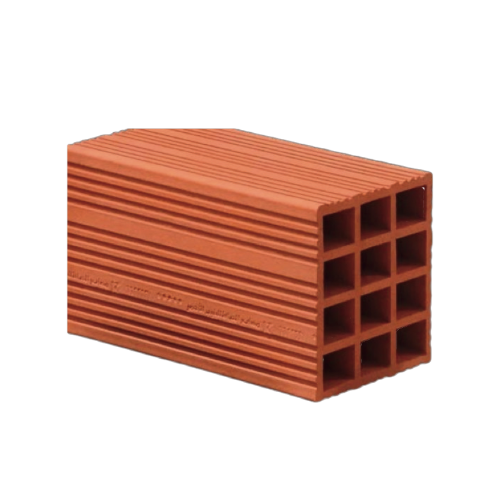 | ||||
| Perforated Block | 190 | 85 | 190 | 2 | ||
| 190 | 100 | 190 | 2,3 | |||
| 190 | 135 | 190 | 3 | |||
| 250 | 150 | 250 | 5,2 | |||
Factors Affecting Roofing Tile Drying Time
Roofing Tile Analysis
| N° | CLASSIFICATION | DIMENSIONS (mm) | FIRED WEIGHT (g) | PRODUCT IMAGE | ||
|---|---|---|---|---|---|---|
| Cut | Width | Height | ||||
| FIRST CATEGORY | mm | |||||
| 1 | Marseille | 410 | 250 | — | 2850 | 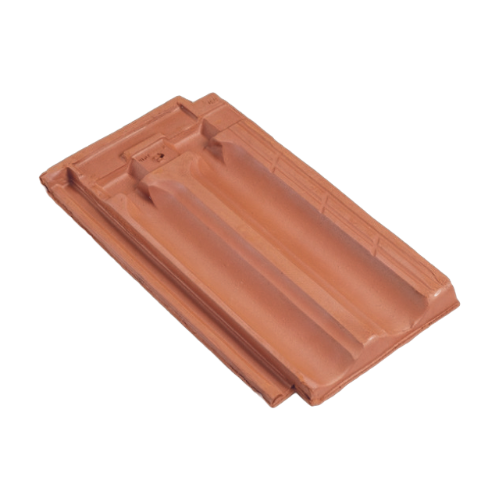 |
| SECOND CATEGORY | mm | |||||
| 2 | Flat | 410 | 230 | — | 2850 | 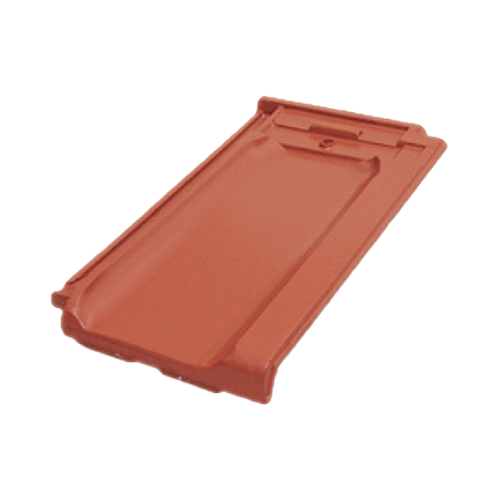 |
| THIRD CATEGORY | mm | |||||
| 3 | Decor | 410 | 250 | — | 3000 | 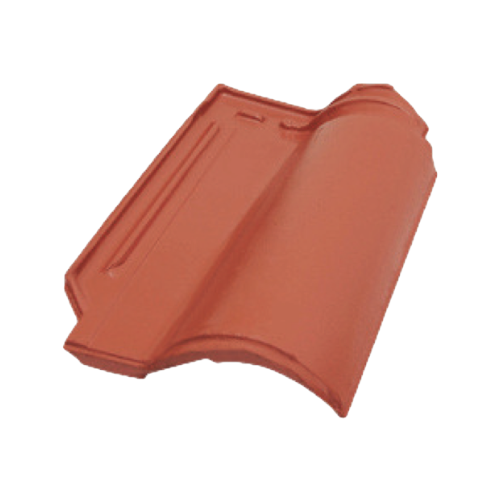 |
Geometry and Profile Shape
Curved contours, surface profiling, and cross-sectional geometry of roof tiles directly dictate aerodynamics and drying kinetics.
Product Type
Marseille tiles, interlocking tiles, flat tiles, or architectural accessories exhibit distinct drying shrinkage characteristics.
Raw Material Characteristics
Clay plasticity index, particle size distribution, and mineralogy directly influence tile drying behavior and shrinkage.
Product Thickness
Core rib thickness in the central zone of the tile is a pivotal parameter dictating convective residence time.
Initial Moisture Content
Initial green moisture after hydraulic pressing or extrusion governs the total psychrometric heat demand.
Forming Pressure
Higher pressing tonnage creates a more compact microstructure with reduced capillary porosity, shortening the evaporation cycle.
Drying Process Parameters
Optimization of the drying cycle is directly linked to the physical and chemical rheology of raw clay. Karadayı Fast Dryer offers customizable recipe parameter suites for different heavy clay products and green moisture levels. Drying duration is dynamically configured according to product type, perforation ratio, wall thickness, initial moisture, extrusion pressure, and target residual moisture. System operators select pre-programmed recipes to achieve reliable, standard-certified output batch after batch.
ENERGY OPTIMIZATION & AUTOMATION & SCADA CONTROL
Energy expenses represent a substantial portion of operational costs in industrial drying. Karadayı Fast Dryer incorporates cutting-edge thermal recovery and aerodynamic efficiencies to minimize overall kilowatt-hour consumption.
Waste Heat Integration
Direct integration with kiln cooling exhaust recaptures thermal energy without supplemental fuel requirement during steady-state runs.
Aerodynamic Air Distribution
Computational duct geometry and low-drag vane nozzles ensure uniform airflow distribution with minimum fan motor load.
AUTOMATION & SCADA CONTROL
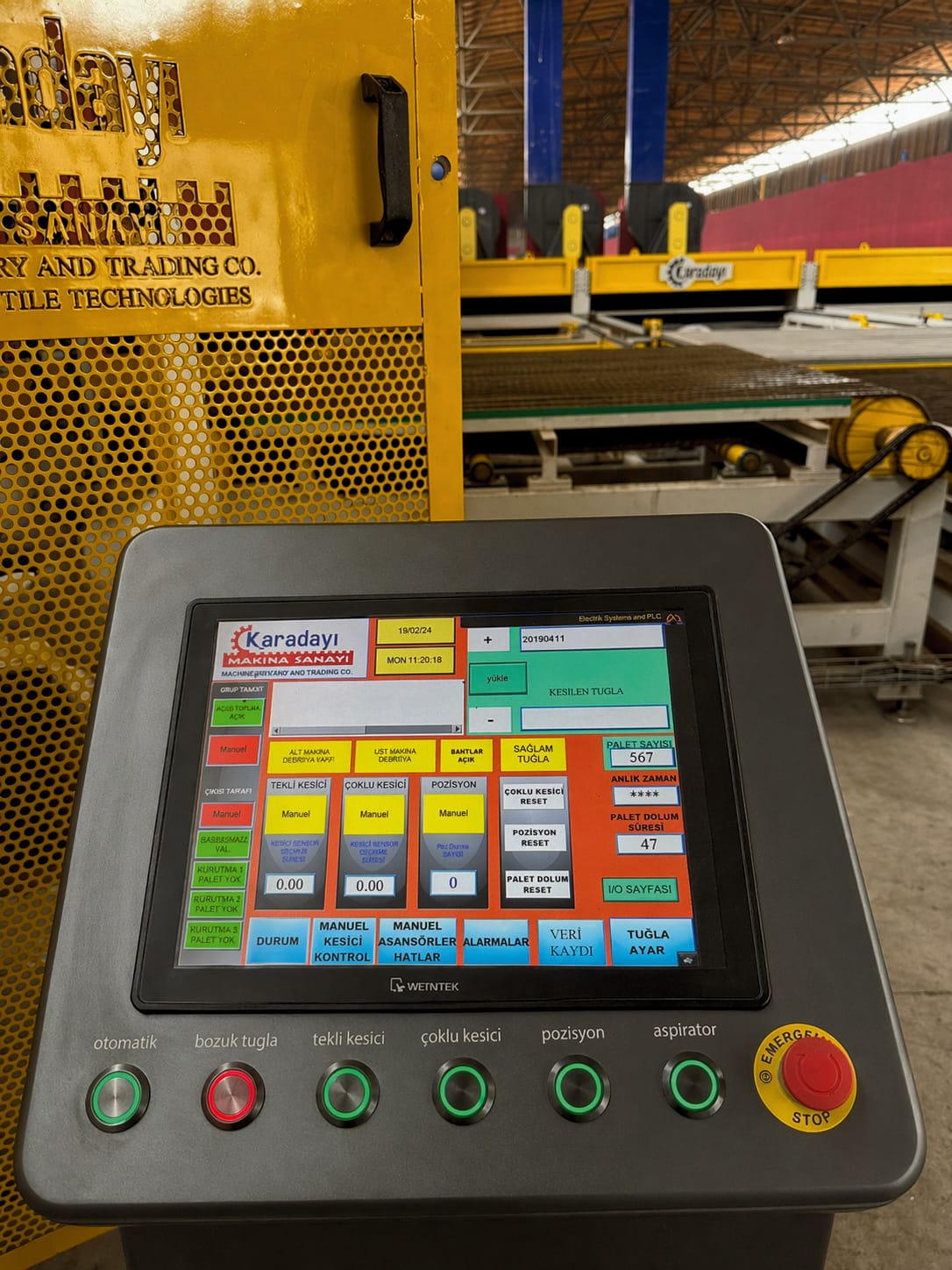
Karadayı Fast Dryer automation system integrates modern industrial 4.0 standards to maintain optimal atmospheric parameters automatically around the clock.
The primary benefit of our automation architecture is eliminating manual operator variances, ensuring repeatable, flawless product quality batch after batch.
The system stores pre-configured product recipe libraries. Operators switch recipes with a single touchscreen tap, and the system automatically readjusts all velocity and thermal profiles.
An advanced alarm and diagnostics module instantly notifies operators of anomalies. Safety scenarios activate automatically upon boundary limits, preserving product and machine integrity.
Multi-Zone Temperature Monitoring
Dense array of thermal probes across chamber zones provides continuous real-time mapping and proactive PID modulation.
Humidity Regulation
High-precision hygrometric sensors monitor relative humidity, dynamically regulating exhaust louvers to evacuate damp air.
Variable Fan Speed Control
VFD-driven circulation fans dynamically match airflow velocity to each drying phase, reducing energy draw significantly.
Burner Modulation
Proportional modulating burner controls generate only the exact thermal wattage demanded by real-time heat load.
Automated Air Dampers
Servo-actuated air dampers regulate fresh intake and exhaust expulsion continuously for ideal psychrometric chamber conditions.
ENGINEERING & DESIGN
The superior performance of Karadayı Fast Dryer is the direct result of systematic, evidence-based thermodynamic engineering and CFD simulations.
CFD Flow Analysis
Computational Fluid Dynamics (CFD) simulates micro-aerodynamic currents and thermal gradients within the drying envelope, eliminating hot spots and dead zones before fabrication.
Thermodynamic Analysis
Rigorous mass and heat transfer formulations evaluate enthalpy of vaporization, specific heat capacity, and diffusion rates for every clay formulation.
Data Acquisition
Comprehensive analysis of raw clay rheology, plant footprint, and throughput targets
CFD Simulation
Virtual prototyping of airflow vectors and temperature gradients for peak uniformity
Thermodynamic Sizing
Precise calculation of thermal enthalpy, air volume, and drying duration
Optimized Final Design
Synthesis of analytical data into high-efficiency, turn-key drying solutions
"Karadayı engineering specialists supervise commissioning, on-site tuning, and post-installation validation, ensuring certified operational metrics meet design targets."